Seed to Shelf in 6 Weeks
6
Week Cycle
4
Distinct Stages
100%
Hand Harvested
24h
Farm to Door
Mushroom farming is part science, part craft. Each of our four cultivation stages requires precise environmental controls and a deep familiarity with fungal biology. Here is exactly how we bring each harvest to life.
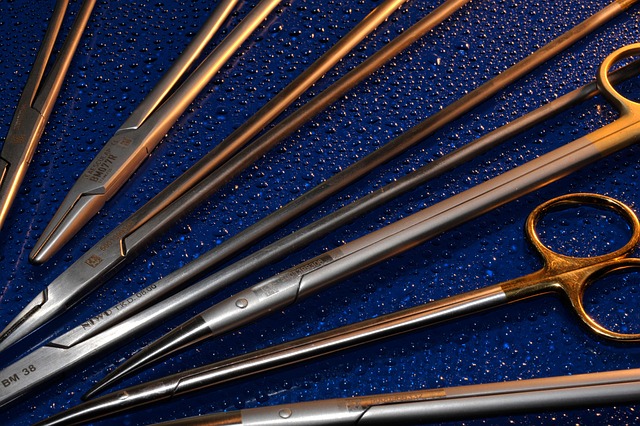
Everything begins in our clean laboratory, a dedicated room fitted with a laminar flow hood, HEPA filtration, and stainless steel work surfaces. Here, we transfer mushroom cultures onto sterilised grain, typically organic rye or millet, to produce what is known as grain spawn. This spawn acts as the seed material for all of our growing operations.
We source our mother cultures from a network of trusted European mycology labs, selecting strains that have been tested for vigour, yield, and flavour profile. Each new culture arrives as a petri dish colonised with mycelium. Under sterile conditions, we transfer small wedges of this culture onto grain jars, which are then sealed and incubated at 24 degrees Celsius until the grain is fully colonised.
Quality control at this stage is essential. We examine every jar for signs of contamination, including unusual colours, off smells, or slow colonisation speeds. Only jars showing vigorous, healthy mycelial growth are approved for use. This rigorous screening ensures that every batch of mushrooms starts from a position of biological strength.
The substrate is the growing medium that nourishes our mushrooms. We prepare two primary substrate types depending on the species being grown. For oyster mushrooms, we use locally sourced wheat straw from tillage farms in Monaghan and Cavan, pasteurised by immersion in hot water at 70-80 degrees Celsius for 90 minutes. This eliminates competing organisms while preserving beneficial microbes that support mushroom growth.
For shiitake and lion's mane, we use a supplemented hardwood sawdust blend. Irish beech and oak sawdust is mixed with wheat bran, gypsum, and water to achieve the correct moisture content and nutrition balance. These bags are then pressure sterilised at 121 degrees Celsius for two and a half hours, destroying all competing life forms and creating a clean canvas for our mushroom spawn.
Once cooled, the pasteurised straw or sterilised sawdust is mixed with grain spawn at a ratio of roughly five percent spawn to substrate weight. The mixture is packed into breathable polypropylene bags fitted with filter patches that allow gas exchange while blocking contaminants. This careful balance of nutrition, moisture, and sterility gives our mycelium the best possible start.

Freshly inoculated bags are transferred to our incubation rooms, kept completely dark at a constant 22 to 24 degrees Celsius. Over the following two to three weeks, the mycelium spreads through the substrate, breaking down the straw or sawdust and converting it into energy. The bags gradually turn white as the dense network of fungal threads colonises every available surface.
We monitor each incubation room with digital sensors that track temperature, CO2 concentration, and relative humidity every fifteen minutes. If CO2 levels climb too high, it can stall colonisation. If temperatures spike from the metabolic heat of the mycelium, supplemental cooling kicks in to prevent overheating. This level of environmental control is what separates consistent commercial production from hobby growing.
Once the bags are fully colonised, they are moved to our fruiting chambers. This transition involves a dramatic environmental shift: temperatures drop to between 12 and 16 degrees Celsius, fresh air is introduced via filtered ventilation, and humidity levels rise to 90 to 95 percent using ultrasonic foggers. These conditions mimic the autumn rains and cool nights that trigger wild mushrooms to fruit in Irish woodlands.
Small slits are cut into each bag, and within three to five days, tiny pins begin to emerge. Over the next four to seven days, these pins develop into full-sized mushroom clusters. Our team inspects each room twice daily during fruiting, adjusting airflow and humidity as needed to produce uniform, high-quality harvests.
Every single mushroom at Tarivoxa is harvested by hand. Our picking team works early each morning, starting at 6:00 AM, when the fruiting rooms are at their coolest and the mushrooms are at peak freshness. Each cluster is carefully twisted or cut from the bag to preserve its shape and minimise bruising. There are no machines involved. This hands-on approach ensures that only mushrooms meeting our strict quality standards make it to the packing table.
After picking, mushrooms are immediately transferred to our packing room, which is maintained at 4 degrees Celsius. Here, they are weighed and placed into compostable punnets made from recycled plant fibre. Each punnet is sealed with a perforated film that allows the mushrooms to breathe while protecting them during transit. We include a small printed card with each pack describing the variety, suggested storage methods, and a recipe idea.
Wholesale orders for restaurants and farm shops are packed into branded cardboard crates and loaded onto our refrigerated van by mid-morning. Direct consumer orders are dispatched via overnight chilled courier, ensuring that mushrooms harvested at dawn arrive at doorsteps across Ireland the following morning. From the moment a mushroom is picked to the moment it reaches your kitchen, we aim for no more than 24 hours.
After the first flush of mushrooms has been harvested, most of our bags will produce a second and sometimes a third flush over the following two weeks. Once the bags have finished producing, the spent substrate is composted on-site and made available free of charge to local gardeners and allotment holders. Nothing goes to waste.
Mushroom cultivation is one of the most resource-efficient forms of agriculture on the planet. Unlike conventional crops, mushrooms require no sunlight, no soil, and minimal water. They grow on agricultural byproducts that would otherwise go to waste, converting them into nutritious, high-protein food in a matter of weeks.
At Tarivoxa, we have built our entire operation around circular economy principles. The straw and sawdust we use as growing substrates come from farms and forestry operations within a 40-kilometre radius. Once our mushrooms have been harvested and the substrate has been exhausted, we compost it on-site. This rich compost is then returned to local growers, closing the loop and enriching the soil for future harvests. Our growing rooms are insulated with recycled materials, and we have recently installed solar panels to offset a significant portion of our electricity usage.
All spent substrate is composted and returned to local farms and gardens.
All raw materials sourced within 40km of the farm in Monaghan and Cavan.
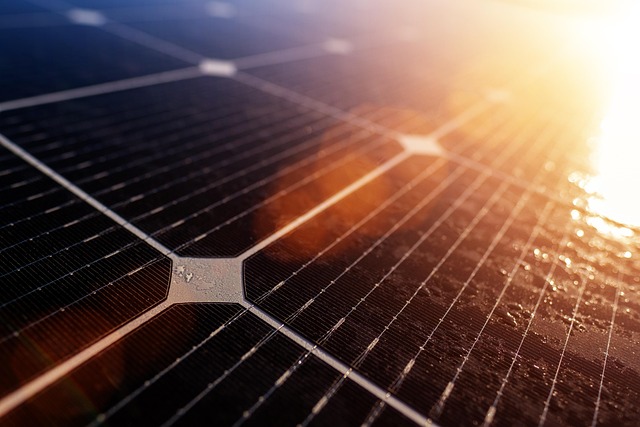
Roof-mounted solar panels offset a growing percentage of our energy needs.
Mushrooms need a fraction of the water required by conventional fruit and vegetables.
Our growing rooms are fitted with sensor networks and automated systems that maintain the precise conditions each mushroom species requires. This technology allows us to achieve consistent harvests year-round, regardless of Irish weather conditions outside.
Each growing room operates independently with its own climate control unit. Incubation rooms hold steady at 22-24 degrees, while fruiting rooms are cooled to 12-16 degrees. Wall-mounted sensors feed data to a central controller that adjusts heating, cooling, and ventilation in real time. Temperature fluctuations of more than half a degree trigger automated corrections within minutes.
Mushrooms are roughly 90 percent water, so maintaining correct humidity is critical for proper development. Our fruiting rooms use industrial ultrasonic foggers that create a fine, cold mist, maintaining relative humidity between 90 and 95 percent. Capacitive humidity sensors placed at multiple heights within each room ensure conditions remain uniform from floor to ceiling.
Mushrooms breathe oxygen and release CO2, just like humans. During fruiting, CO2 levels must be kept below 800 parts per million to prevent elongated stems and undersized caps. Our ventilation system draws fresh, filtered air from outside and distributes it through perforated ducting along the ceiling. Exhaust fans remove stale, CO2-rich air from the bottom of each room.
While mushrooms do not photosynthesise, many species require a light signal to initiate and direct fruiting. Our fruiting rooms use energy-efficient LED panels that provide 12 hours of diffused light per day at around 500 lux. The spectrum is tuned to mimic natural forest canopy light, with an emphasis on blue wavelengths that stimulate pin formation and encourage symmetrical cap development.
Preventing contamination is an ongoing discipline rather than a single step. All incoming air passes through HEPA filters rated to capture 99.97 percent of particles down to 0.3 microns. Staff follow strict hygiene protocols, changing into dedicated clean clothing and washing hands with antimicrobial soap before entering any growing area. Surfaces are sanitised daily with food-safe disinfectant.
Every room on the farm is wired into a centralised monitoring dashboard that tracks temperature, humidity, CO2, and light levels in real time. The system logs data every fifteen minutes and sends alerts to our team if any parameter drifts outside the acceptable range. Over the years, this data has allowed us to refine our growing protocols for each variety, improving yields and reducing waste.

Tarivoxa holds Bord Bia Origin Green membership, demonstrating our commitment to independently verified sustainability practices. Our farm is audited annually against a comprehensive set of quality, safety, and environmental standards. Every batch of mushrooms is traceable from the culture plate to the customer, with full records maintained for a minimum of five years. We also comply with HACCP food safety principles throughout our packing and dispatch operations.
Order fresh, hand-picked mushrooms delivered direct from our Monaghan farm to your door. Browse our full range of varieties and discover new flavours for your kitchen.